What is GSR? 

Global Sea Routes (GSR) is a relational geospatial database aimed at the representation of European sea routes on a global scale in the modern and contemporary ages, in order to understand how world interconnectedness, in terms of maritime passage times from European ports to overseas destinations, evolved over four centuries (1500-1900).

GSR geodatabase is powered by Nodegoat, a web-based research environment for the humanities developed by Lab1100. Nodegoat is a trademark of LAB1100, registered in the U.S. and in other countries

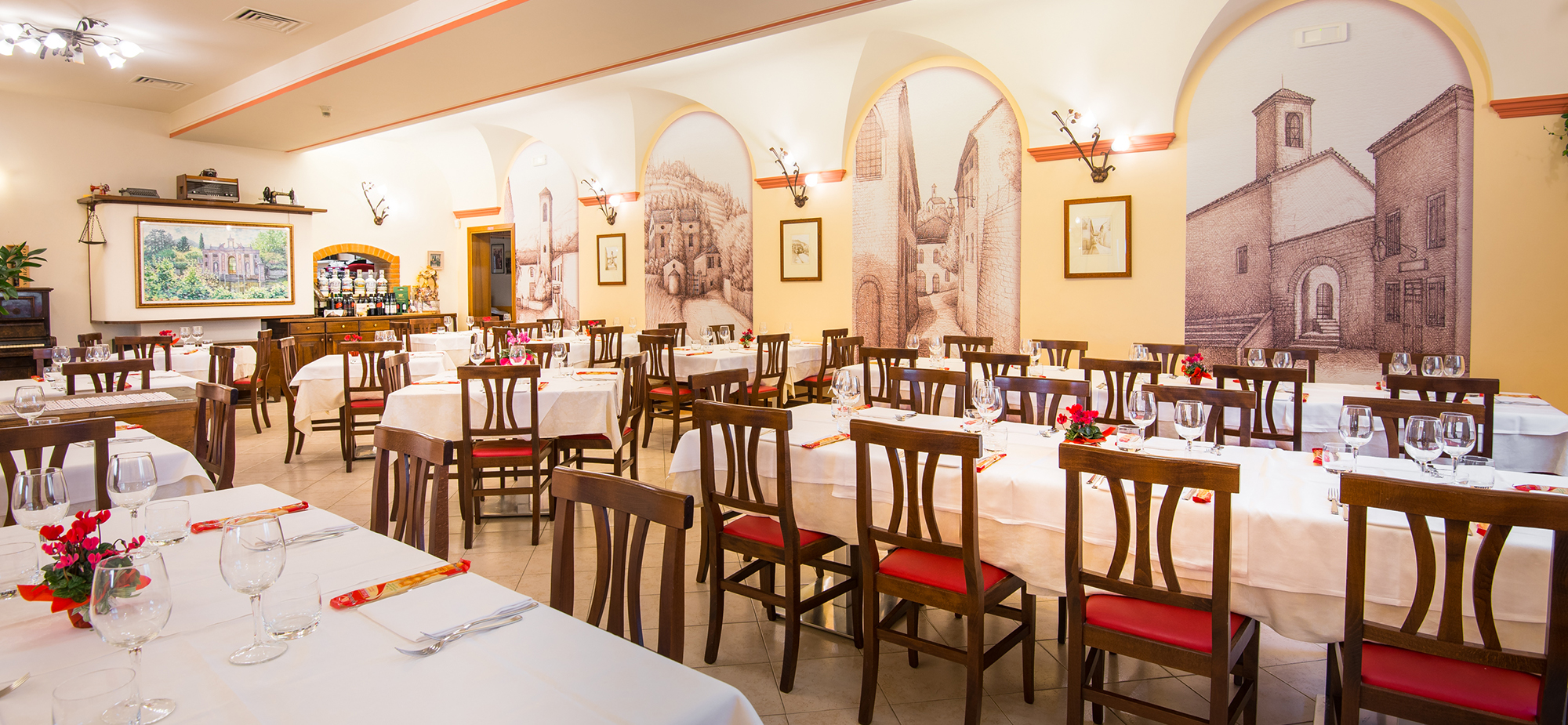
Ci troviamo vicino a Monselice, con il suo Castello e la salita delle Sette Chiesette,
Valsanzibio con i famosi Giardini di Villa Barbarico, Battaglia e il Castello del Catajo. A 1 km dal ristorante si
trova Villa Lispida e il Giardino di Villa Emo. Di fronte al locale è il Lago della Costa,
sorgente di acque termali e conosciuto per le proprietà curative dei suoi fanghi, dal 2011
Patrimonio dell'Unesco. A pochi passi il sentiero del Monte Galbarina ci immerge in boschi di
melograni, sambuco e bagolari.
Summary data

Duis autem vel eum iriure dolor in hendrerit in vulputate velit esse molestie consequat, vel illum dolore eu feugiat nulla facilisis at vero eros et accumsan et iusto odio dignissim.
The circumnavigation in numbers
The two Novara: comparative data

Partenza

Tireste, 30 apr 1857

Arrivo

Aukland, 22 dic 1858

Ritorno

Trieste, 26 ago 1859

DURATA VIAGGIO

2 anni 4 mesi

GIORNI DI NAVIGAZIONE

551 gg

Ritorno

Trieste, 26 ago 1859

MIGLIA PERCORSE

2 anni 4 mesi

PORTI VISITATI

> 25

REPERTI NATURALISTICI RACCOLTI

26.000

The Novara and its circumnavigation

The Habsburg frigate Novara was built as a military vessel at the Venice Arsenal between 1843 and 1850 and afterwards it was chosen by Archduke Maximilian of Habsburg to carry out the first Austrian circumnavigation of the globe for scientific purposes between 1857 and 1859. Converted into a mixed sail and steam propulsion ship in 1862, its subsequent history is linked to the events of Maximilian and Charlotte of Habsburg and the Third War for Italian Independence on the Adriatic theatre, until its operation as a school ship and decommissioning in 1899.

Ci troviamo vicino a Monselice, con il suo Castello e la salita delle Sette Chiesette,
Valsanzibio con i famosi Giardini di Villa Barbarico, Battaglia e il Castello del Catajo. A 1 km dal ristorante si
trova Villa Lispida e il Giardino di Villa Emo. Di fronte al locale è il Lago della Costa,
sorgente di acque termali e conosciuto per le proprietà curative dei suoi fanghi, dal 2011
Patrimonio dell'Unesco. A pochi passi il sentiero del Monte Galbarina ci immerge in boschi di
melograni, sambuco e bagolari.

Summary data

Duis autem vel eum iriure dolor in hendrerit in vulputate velit esse molestie consequat, vel illum dolore eu feugiat nulla facilisis at vero eros et accumsan et iusto odio dignissim.
The circumnavigation in numbers
The two Novara: comparative data

Partenza

Tireste, 30 apr 1857

Arrivo

Aukland, 22 dic 1858

Ritorno

Trieste, 26 ago 1859

DURATA VIAGGIO

2 anni 4 mesi

GIORNI DI NAVIGAZIONE

551 gg

Ritorno

Trieste, 26 ago 1859

MIGLIA PERCORSE

2 anni 4 mesi

PORTI VISITATI

> 25

REPERTI NATURALISTICI RACCOLTI

26.000

The Novara and its circumnavigation

The Habsburg frigate Novara was built as a military vessel at the Venice Arsenal between 1843 and 1850 and afterwards it was chosen by Archduke Maximilian of Habsburg to carry out the first Austrian circumnavigation of the globe for scientific purposes between 1857 and 1859. Converted into a mixed sail and steam propulsion ship in 1862, its subsequent history is linked to the events of Maximilian and Charlotte of Habsburg and the Third War for Italian Independence on the Adriatic theatre, until its operation as a school ship and decommissioning in 1899.
A Historical Geodatabase of European Global Navigation (1500-1900)

© 2026 Global Sea Routes - All Rights Reserved

Attributions - NonCommercials - NoDerivatives (CC BY - NC - ND)
chevron-down